

This post contains affiliate links. If you buy something through our links, we may earn a small commission at no extra cost to you.
Getting started with sewing can feel overwhelming if you’re not sure what tools to invest in first. With so many gadgets and accessories on the market, I’ve learned to prioritize the essentials that make sewing smoother, easier, and more enjoyable. Whether the goal is making clothes, repairing garments, or crafting home décor, having the right tools on hand is key to building both skill and confidence.
In this guide, I’ll share my personal picks for the 10 must-have sewing tools for beginners. These are the items I reach for constantly in my sewing corner, and they’ve made a huge difference in how I approach every project, from measuring and cutting to stitching and finishing.
Sewing Machine: Your Essential Companion
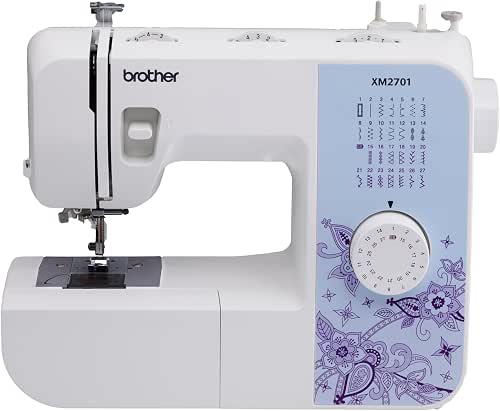
No list of must-have sewing tools for beginners would be complete without the sewing machine itself. While it’s possible to sew by hand, a reliable sewing machine opens up more possibilities and delivers cleaner, faster results. I recommend starting with a basic model that includes straight and zigzag stitches, adjustable tension, and a few presser feet. You don’t need dozens of decorative stitches right away.
I chose a mechanical machine that was user-friendly and sturdy. It helped me practice the basics and grow comfortable with threading, adjusting tension, and controlling speed. Once I had those down, I began to explore more features like buttonholes and stretch stitches. A good starter machine doesn’t need to be fancy, it just needs to be functional and consistent, something like the best seller Brother sewing machine. Looking for more information about beginner sewing machines?
Fabric Scissors: Precision Cutting
Cutting fabric with precision is one of the first skills I had to master, and having sharp, high-quality fabric scissors made all the difference. Regular household scissors won’t do, fabric scissors are designed to glide smoothly through cloth without fraying or snagging the edges. We’ve looked at the Best Scissors for Fabric Cutting.
I invested in a pair with long, comfortable handles and stainless steel blades. I also make a point of never using them on paper or other materials, which dulls the blades. These scissors have become one of my most treasured tools, and they give every project a clean, professional start.

Seam Ripper: Learning Without Fear
Making mistakes is part of learning to sew, which is why a seam ripper is one of the must-have sewing tools for beginners. I’ve unpicked crooked seams, misaligned hems, and even entire garments with this little tool. It’s designed to slip under stitches and cut them cleanly without damaging the fabric.
I keep my seam ripper close by whenever I’m at my machine. It gives me the freedom to experiment and correct errors without frustration. Some beginners see the seam ripper as a sign of failure, but I’ve come to see it as a tool of empowerment. Every time I use it, I get better.

Measuring Tape: Accurate from the Start
Sewing is equal parts creativity and precision, and nothing emphasizes this more than the need for accurate measurements. A soft, flexible measuring tape helps me get correct dimensions for clothing, quilts, and crafts. It wraps around curves and corners, making it ideal for body measurements and pattern adjustments.
My measuring tape is always the first tool I reach for when starting a new project. Whether I’m drafting patterns or checking seam allowances, accurate measurements save time and prevent frustration later on. I’ve also learned to double-check everything, just a centimeter off can throw an entire garment out of alignment.

Pins and Pin Cushion: Keeping Everything in Place
Holding fabric layers together while sewing is crucial, and that’s where pins come in. I use glass-head or flower-head pins because they’re easy to spot and don’t melt under an iron. These little tools help stabilize seams, align corners, and keep pleats or gathers evenly spaced. Although my preference is pins, I have found the sewing clips to be really helpful, quick and an efficient way of securing fabric.
I pair my pins with a classic pin cushion so I can grab and store them easily. Magnetic pin holders are another good option, especially if I drop pins while working. Pinning carefully may seem tedious, but it prevents slips and uneven seams, and that’s worth every second of extra prep time. Sewing clips can be quicker and easier to use and a great sewing tools for beginners.

Iron and Ironing Board: Press for Success
One of the most underrated must-have sewing tools for beginners is a good iron. Pressing fabric before cutting, pressing seams as I sew, and giving the finished piece a final polish makes a world of difference in how my projects look. It smooths wrinkles, sets seams, and helps pieces fit together cleanly.
I use a steam iron with variable temperature settings so I can press delicate fabrics like silk or stretch knits without scorching. A good tip is that using a good quality ironing board can help make up for a mediocre iron. My ironing board is full-size and sturdy, which makes it easier to press long seams or fold projects neatly. Pressing takes a bit of effort, but the results speak for themselves, crisp seams and a professional appearance.


Hand Sewing Needles: Detail and Finishing Work
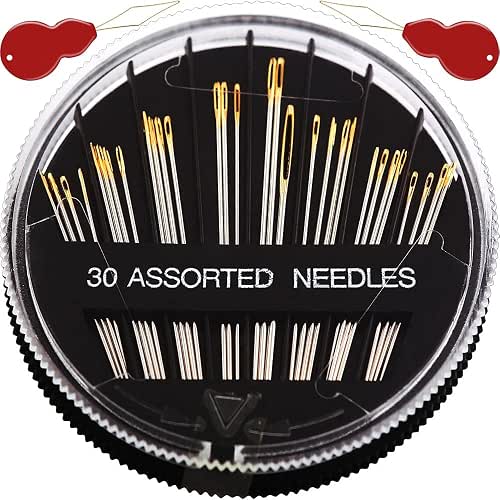
Even with a sewing machine, I often find myself reaching for hand sewing needles. They’re perfect for finishing hems, closing small openings, or attaching buttons. I keep a variety of sizes in my sewing kit, fine needles for delicate fabrics and heavier ones for denim or canvas.
Learning how to hand stitch gives me more control over finishing touches. It’s also great for projects like embroidery or decorative stitching. Sometimes the machine can’t reach a corner or curve, and that’s when a hand needle comes to the rescue.
Thread: The Invisible Hero
Thread might seem like a minor detail, but it plays a huge role in sewing. Strong, smooth thread ensures that stitches hold up over time and blend in with the fabric. I started by buying basic polyester thread in black, white, and a few neutral tones. As my fabric collection grew, I added colors to match.
Cheap thread may save money upfront, but it often breaks or tangles in the machine. I’ve learned to stick with quality brands that don’t fray easily. Storing thread in a clear box also helps me keep track of colors and avoid duplicates.

Marking Tools: Lines That Disappear
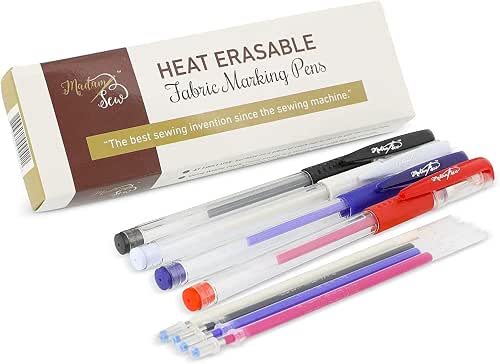
I use tailor’s chalk, water-soluble pens, and disappearing ink markers to mark fabric before cutting or stitching. These tools help me transfer pattern lines, seam allowances, pleats, darts, and button placements without leaving permanent marks.
My go-to is a heat-erasable pen that disappears with a quick touch of the iron. I test all marking tools on a scrap piece of fabric first to make sure they don’t stain. Clear, visible markings keep my sewing accurate and reduce the risk of mistakes. It’s one of those tools that quietly supports the whole process.
Rotary Cutter and Cutting Mat: Quick, Clean Cuts
Once I got comfortable with straight cuts, I added a rotary cutter and self-healing cutting mat to my setup. A rotary cutter glides through fabric like a pizza wheel, making it ideal for cutting multiple layers, precise shapes, or quilt pieces.
Using this tool has saved me time and improved accuracy, especially when working with patterns or stripes. The cutting mat protects my table and has printed gridlines to guide straight cuts. This combo isn’t just for quilters; I use it for everything from tote bags to garments.

Bonus Tips for Tool Care and Organization
Having the right tools is only half the battle, keeping them organized and in good condition matters just as much. I store my supplies in clear plastic bins, labeled drawers, and magnetic strips. That way, I can find what I need quickly and keep my workspace tidy.
I also make time to clean my sewing machine regularly, oil the moving parts, and replace dull needles. Sharp scissors stay sharp if I reserve them only for fabric. Pins and needles go back into their cases, and I empty thread clippings and scraps after each project.
Caring for my tools has made them last longer and perform better, and it helps me feel more prepared and professional in my approach.

Choosing Tools That Match Your Projects
One of the most helpful lessons I’ve learned is to match tools to the type of sewing I plan to do. If I’m working on clothing, tools like a seam gauge, tailor’s ham, and pressing cloth come in handy. For home décor, I might add pattern weights and wider rulers. For quilting, specialty rulers and a walking foot become important.
The basics listed here are truly must-have sewing tools for beginners, but as interests grow, the toolkit can expand in new directions. By starting with quality versions of the essentials, I’ve created a strong foundation to build on with confidence.
Confidence Grows with Every Project
What started with a few simple tools and a borrowed machine has grown into a passion I never expected. With each project I complete, I get faster, better, and more excited to try new techniques. Knowing I have the right tools at my fingertips removes so much of the stress and lets me focus on the joy of creating.
These must-have sewing tools for beginners gave me that boost of confidence from day one. They’re not just functional, they’re empowering. Every time I pull out my seam ripper, cut fabric with precision, or mark a line that vanishes perfectly, I feel like I’m truly in control of the process.
Final Thoughts
Starting a sewing journey is easier and far more enjoyable with the right tools in hand. These 10 must-have sewing tools for beginners aren’t about gimmicks or extras, they’re about creating a solid, dependable foundation. Each one brings a different strength to the table and supports different parts of the creative process.
I always tell new sewists that it’s not about having everything all at once, it’s about investing in the tools that help you learn, experiment, and grow. With the right setup, even the simplest projects become rewarding. Over time, those tools become familiar friends, guiding hands, and partners in creativity.


